
Sleep Better Tonight: How Massage Helps Insomnia & Restless Sleep

Sleepless nights and restless sleep aren’t just annoying — they erode energy, mood, and long-term health. If you’ve tried cutting caffeine, sleeping earlier, and limiting screens and still struggle, massage might be a missing piece. Massage therapy doesn’t directly “fix” every sleep disorder, but it consistently lowers stress, eases tension, and shifts your nervous system into a state that’s more receptive to sleep. Below is a clear, practical guide to how massage helps sleep, which session timing and styles work best, simple evening rituals to pair with therapy, and real client outcomes you can expect.
How massage affects sleep hormones and stress
Sleep problems are often rooted in an overactive stress response: high cortisol, elevated heart rate, and a nervous system stuck in fight-or-flight. Massage influences several physiological systems that help reverse this state.
First, massage reduces sympathetic (fight-or-flight) activity and increases parasympathetic (rest-and-digest) tone. You’ll notice this as a slower heart rate, deeper breathing, and a relaxed feeling after a session. That shift lowers circulating cortisol and allows sleep-promoting systems to take over.
Second, massage increases production of neurotransmitters and hormones associated with calm and wellbeing. Research and clinical experience suggest massage raises levels of serotonin and oxytocin while lowering stress markers. Serotonin is a precursor to melatonin, the hormone that helps regulate your sleep-wake cycle. So regular massage can indirectly support healthier melatonin rhythms.
Third, massage eases muscle tension and reduces pain — two common barriers to falling and staying asleep. When tight neck, shoulder, or back muscles relax, it’s easier to find a comfortable sleeping position. Lower pain means fewer micro-awakenings during the night.
Finally, massage promotes better circulation and lymphatic drainage. Improved blood flow helps clear metabolic byproducts produced during the day and supports tissue repair overnight, creating a physical environment more conducive to restorative sleep.
Best session timing and massage types for sleep
Timing and technique matter. The right session at the right time amplifies sleep benefits.
Best timing
Evening sessions (late afternoon to early evening) are ideal for people who struggle to fall asleep. A massage 1–3 hours before bedtime creates a calm window that makes it easier to wind down.
Night-before sessions: If you have occasional insomnia tied to a stressful event, a massage the day or evening before can help reset your nervous system.
Regular schedule: Weekly or biweekly evening sessions are best for chronic sleep issues. Consistency helps normalize stress hormones and sleep patterns over time.
Best massage types
Swedish / Relaxation massage: Gentle strokes, long flowing movements, and light pressure promote relaxation and parasympathetic activation. This is often the best first choice for sleep problems.
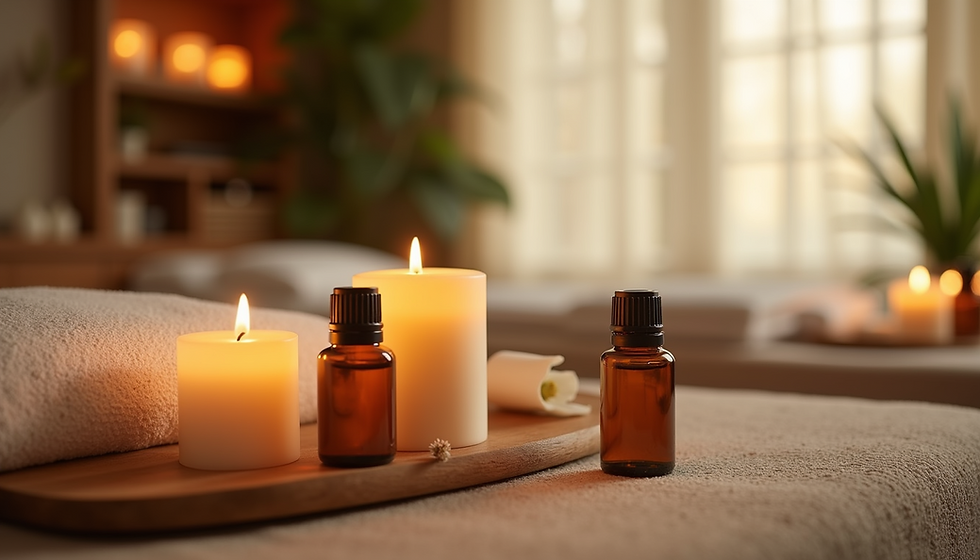
Aromatherapy massage: When combined with calming essential oils (like lavender or chamomile), aromatherapy can strengthen the relaxation response. Be sure to discuss sensitivities or allergies with your therapist.
Myofascial release & gentle myotherapy: For people whose sleep problems are driven by painful muscular restrictions, gentle release techniques reduce discomfort without overstimulation.
Lymphatic drainage: If restless sleep is linked to fluid retention or slow circulation, lymphatic techniques can improve comfort and reduce nighttime awakenings.
Avoid heavy deep-tissue right before bed: Deep, intense tissue work can sometimes leave a person feeling temporarily “raw” or energized. Save deep sessions for earlier in the day or a couple of days before you need restorative sleep.
Evening routine to pair with therapy
Massage works best when it’s part of an intentional pre-sleep routine. Combine your session with a few calming habits to extend the benefits into the night.
Hydrate and eat lightAfter a massage, drink water to help clear metabolic byproducts. Avoid heavy meals and alcohol close to bedtime — alcohol can fragment sleep even if it feels soporific initially.
Gentle movement and stretchingA short 5–10 minute routine of gentle stretches or yoga poses after your session maintains range of motion and keeps muscles from re-tightening.
Warm shower or bathA warm soak raises then lowers core body temperature — a cue that helps initiate sleepiness. Add a few drops of lavender oil if you like, but keep it mild.
Screen curfew & dim lightsTurn off bright screens at least 60 minutes before bed. Dim house lights or use warm lamps to signal your circadian rhythm that it’s time to slow down.
Breathwork or guided relaxationPractice box breathing, 4-4-4 counting, or a 10-minute guided meditation after your massage to deepen the parasympathetic response. Even a short practice reduces late-night rumination.
Comfort optimizationUse your therapist’s input to adjust pillow height or mattress support if neck or back pain affects sleep. Small ergonomic fixes can dramatically reduce nighttime awakenings.
Success stories: improved sleep with regular care
Many of our clients in Magnolia and The Woodlands come to Revive Therapy Spa primarily because they can’t sleep. The results we see often follow a similar pattern:
Case A — The stressed professional: After 6 weekly Swedish sessions scheduled before bed, she reported falling asleep faster and waking less at night. Her daytime fatigue decreased and she felt more productive at work.
Case B — The chronic pain sufferer: A client with lumbar discomfort combined lymphatic work and gentle myofascial release. Within 4 sessions his nighttime pain reduced and he reported deeper sleep cycles.
Case C — The new parent: Sleep was fragmented by infant care. Short evening relaxation massages every 2 weeks reduced muscle tension and gave restorative pockets of deeper sleep whenever a longer block was available.
These are individual stories, not guarantees — but they reflect common outcomes: reduced time to fall asleep, fewer awakenings, and improved subjective sleep quality. For many people, the mental relaxation that comes with massage (fewer racing thoughts) is as valuable as the physical effects.
Practical expectations & how to measure progress
Massage is a tool, not a cure-all. Combine it with sleep hygiene changes and medical evaluation if you have chronic insomnia, sleep apnea, or mood disorders.
Track your progress with simple metrics:
Sleep latency: How long it takes to fall asleep (aim to shorten by 10–20 minutes).
Number of awakenings: Fewer nocturnal wake-ups indicate deeper sleep.
Sleep quality rating: Keep a nightly 1–5 score for perceived restfulness.
Daytime functioning: Note energy levels and mood improvements.
Most clients notice subjective improvements after the first 1–3 sessions, with more stable changes after 4–8 sessions. If sleep problems persist or include loud snoring, gasping, or unexplained daytime sleepiness, consult a physician or sleep specialist — massage can support but not replace medical treatment for sleep disorders.
Final thoughts & next steps
If insomnia or restless nights are draining your life, try pairing evening Swedish or relaxation massage with a simple bedtime routine. The combination reduces stress hormones, relaxes muscle tension, and gives your nervous system the signals it needs to move into restorative sleep.
At Revive Therapy Spa, we offer evening appointments and tailored relaxation sessions designed to help you wind down. Try a 60-minute Relaxation or Swedish session and ask your therapist for a short home routine to extend the benefits. Book an evening appointment and take the first step toward better sleep—tonight.
Try a Relaxation or Swedish session — book an evening appointment at Revive Therapy Spa in Magnolia & The Woodlands to start sleeping better.


Comments