
The Benefits of Massage Therapy: Why It Improves Your Well-being
- Revive Therapy Massage & Spa of Magnolia

- Jan 26
- 4 min read
Updated: Apr 4
Massage therapy has been practiced for thousands of years, offering a natural way to enhance physical and mental health. Today, it remains a popular choice for those seeking relief from stress, pain, and tension. This article explores the many benefits of massage therapy and explains why incorporating it into your routine can significantly improve your overall well-being.
The Benefits of Massage Therapy for Your Health
Massage therapy provides a wide range of health benefits that go beyond simple relaxation. It helps improve circulation, reduce muscle tension, and promote better sleep. When muscles are tight or injured, massage can increase blood flow to the affected areas, speeding up the healing process. This is especially helpful for athletes or anyone recovering from physical strain.
In addition to physical benefits, massage therapy also supports mental health. It lowers cortisol levels, the hormone responsible for stress, and increases the production of serotonin and dopamine, which are mood-enhancing chemicals. This combination helps reduce anxiety and depression symptoms, making it easier to manage daily challenges.
Some specific benefits include:
Pain relief: Massage can alleviate chronic pain conditions such as arthritis, fibromyalgia, and lower back pain.
Improved flexibility: Regular sessions help maintain joint mobility and muscle elasticity.
Boosted immune system: By reducing stress hormones, massage supports immune function.
Better posture: Massage releases muscle tension that can cause poor posture and related discomfort.

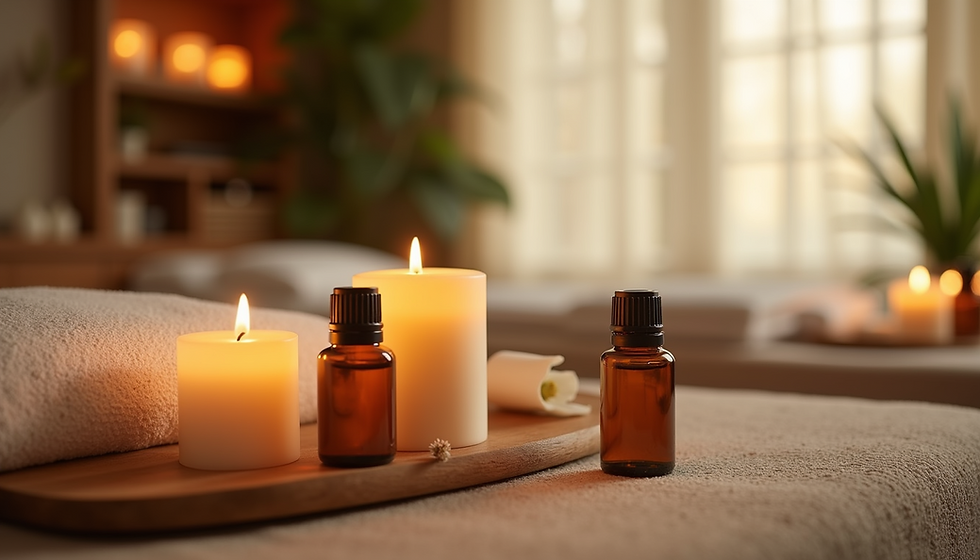
Massage therapy setup with oils and towels ready for a session
What does massage therapy do for you?
Understanding what happens during a massage session can help you appreciate its benefits even more. When a trained therapist applies pressure and manipulates soft tissues, several physiological responses occur:
Muscle relaxation: The pressure helps release knots and tightness in muscles, reducing stiffness.
Increased circulation: Blood flow improves, delivering oxygen and nutrients to tissues while removing waste products.
Nervous system calming: Gentle strokes activate the parasympathetic nervous system, which promotes relaxation and lowers heart rate.
Pain modulation: Massage stimulates nerve endings that block pain signals, providing relief.
Lymphatic drainage: It encourages the movement of lymph fluid, which helps detoxify the body and reduce swelling.
These effects combine to create a sense of deep relaxation and well-being. Whether you are dealing with stress, injury, or just want to feel better, massage therapy offers a holistic approach to healing.
How to Maximize the Benefits of Massage Therapy
To get the most out of your massage sessions, consider these practical tips:
Choose the right type: There are many styles, including Swedish, deep tissue, sports, and aromatherapy massage. Select one that fits your needs and preferences.
Communicate with your therapist: Let them know about any pain, injuries, or areas of tension so they can tailor the treatment.
Stay hydrated: Drinking water before and after helps flush out toxins released during the massage.
Schedule regular sessions: Consistency enhances long-term benefits, especially for chronic conditions.
Combine with other wellness practices: Stretching, exercise, and mindfulness can complement the effects of massage.
By following these recommendations, you can enhance your physical comfort and mental clarity.

Peaceful spa environment designed for relaxation and healing
Massage Therapy and Mental Well-being
The connection between body and mind is strong, and massage therapy plays a key role in nurturing both. Stress and anxiety can cause muscle tension, headaches, and fatigue. Massage helps break this cycle by promoting relaxation and reducing stress hormones.
Many people report feeling calmer and more centered after a session. This is partly due to the release of endorphins, natural painkillers that also improve mood. Regular massage can improve sleep quality, which is essential for mental health.
Incorporating massage into your self-care routine can also encourage mindfulness. The focused attention on your body during a session helps you become more aware of physical sensations and emotional states, fostering a deeper connection with yourself.
When to Consider Massage Therapy
Massage therapy is beneficial for almost everyone, but certain situations make it especially valuable:
Chronic pain conditions: If you suffer from ongoing pain, massage can provide relief and improve mobility.
High stress levels: When life feels overwhelming, massage offers a natural way to relax and recharge.
Post-injury recovery: It supports healing by reducing scar tissue and improving circulation.
Athletic performance: Athletes use massage to prevent injuries and speed up recovery.
Sedentary lifestyle: If you spend long hours sitting, massage can help reduce muscle stiffness and improve posture.
Before starting massage therapy, consult with a healthcare provider if you have specific medical conditions or concerns.
Embracing Massage Therapy for a Healthier Life
Incorporating massage therapy into your wellness routine can transform your physical and mental health. Its ability to relieve pain, reduce stress, and promote relaxation makes it a powerful tool for improving overall well-being.
Whether you visit a professional therapist or learn simple techniques for self-massage, the benefits are accessible to everyone. Start with a session today and experience the positive changes massage can bring to your life.
Remember, your body and mind deserve care and attention. Massage therapy offers a natural, effective way to nurture both and enhance your quality of life.


Comments